Kavach Mobile Home

Category

Mobile Security

16 articles

Switching Phones Does Not Switch Off the Threats: The Hidden Security Risks That Follow You to Your New Device

Switching Phones Does Not Switch Off the Threats: The Hidden Security Risks That Follow You to Your New Device

Upgrading to a new smartphone feels like a fresh start, but the security vulnerabilities you carried on your old device rarely stay behind. From cloud-synced credentials to auto-restored apps, the transition process itself creates a window of exposure that cybercriminals are increasingly prepared to exploit. Understanding what travels with you — and what should not — is essential to protecting your digital life from day one on any new device.


Flooded With Fake Alerts: How Cybercriminals Use Notification Overload to Trick You Into Handing Over Access

Flooded With Fake Alerts: How Cybercriminals Use Notification Overload to Trick You Into Handing Over Access

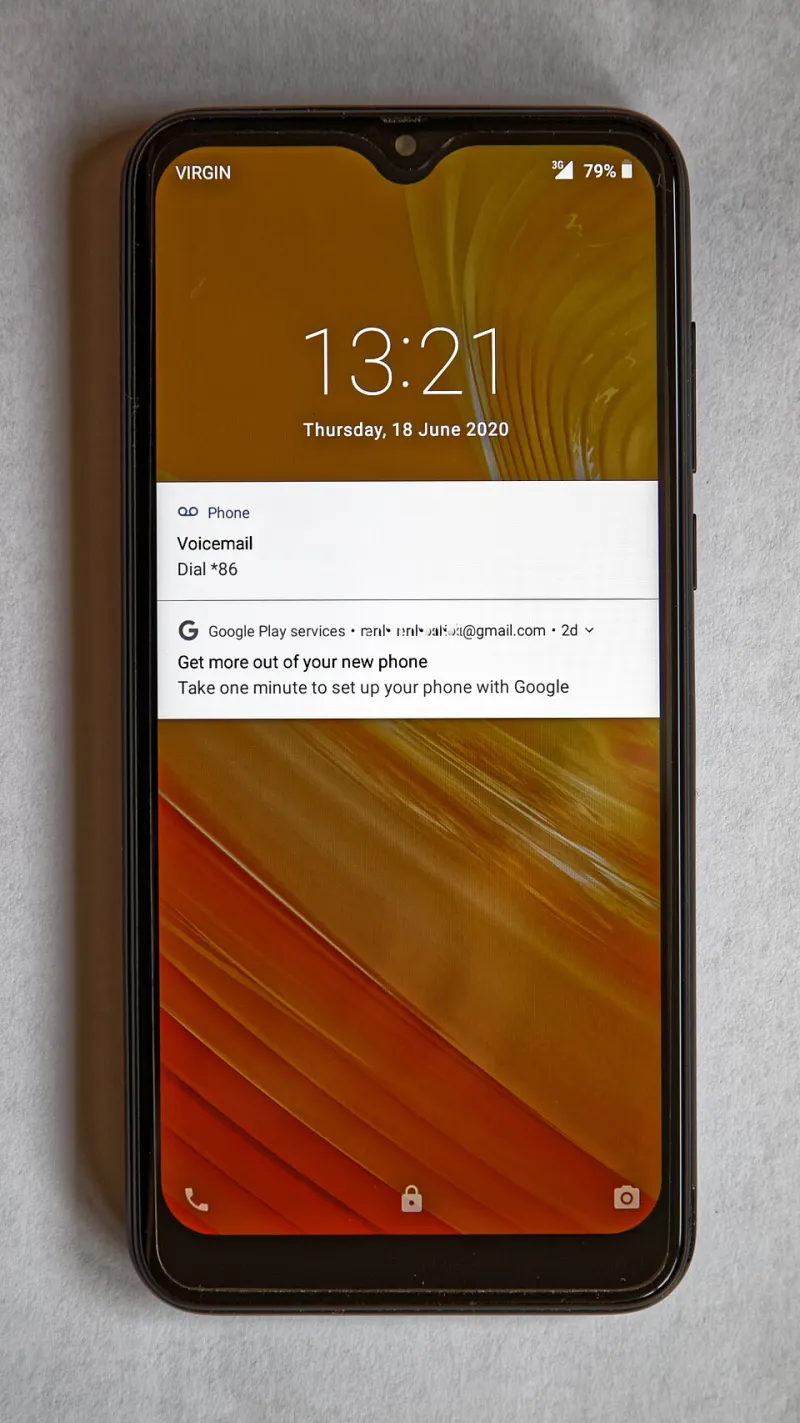
A growing wave of social engineering attacks exploits the instinctive trust Americans place in smartphone notifications, using fabricated alerts to manufacture urgency and provoke costly security mistakes. From spoofed package delivery updates to counterfeit bank warnings, these phantom prompts are carefully engineered to bypass rational thinking. Understanding how this manipulation works is the first step toward defending your device against it.

When Your Battery Dies Early, Malware May Be the Reason: What Every Smartphone User Should Know

When Your Battery Dies Early, Malware May Be the Reason: What Every Smartphone User Should Know

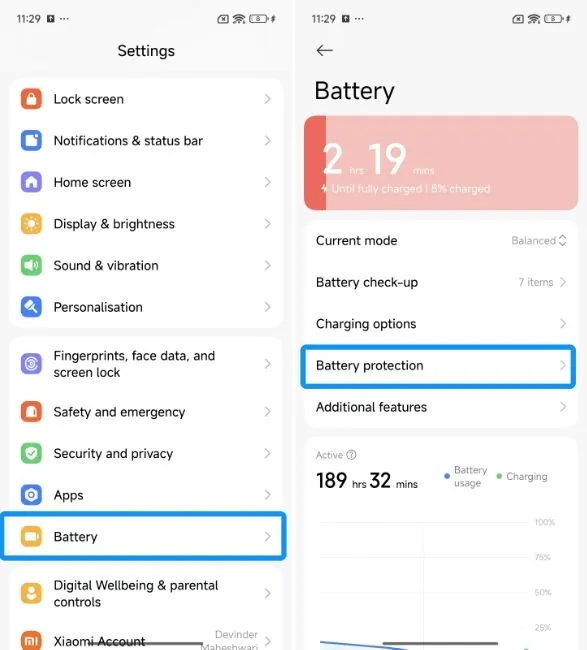
A rapidly depleting battery is often dismissed as a sign of an aging device, but in many cases it signals something far more serious lurking beneath the surface. Certain classes of mobile malware consume substantial processing power and network resources while operating invisibly in the background, accelerating battery degradation as a byproduct of their covert activity. Understanding how to distinguish normal wear from a genuine security threat could protect both your device and your most sensi

What Happens on Your Phone While You Sleep: The Security Case Against Background App Refresh

What Happens on Your Phone While You Sleep: The Security Case Against Background App Refresh

Background app refresh was engineered for convenience, but it has quietly evolved into one of the most underappreciated data collection mechanisms on your smartphone. While you are away from your screen, dozens of apps are waking up, phoning home, and transmitting information you never consciously agreed to share. Here is what is actually happening — and how to stop it.

Your Smartphone Is Working Overtime — Just Not for You: The Rise of Mobile Cryptojacking

Your Smartphone Is Working Overtime — Just Not for You: The Rise of Mobile Cryptojacking

Cryptojacking malware silently commandeers your smartphone's processing power to mine cryptocurrency for cybercriminals, leaving you with a sluggish device, an overheating battery, and a higher electricity bill. Unlike more visible threats, this form of attack is specifically designed to avoid detection for as long as possible. Understanding how it works — and where it hides — is the first step toward reclaiming control of your device.

Running in the Dark: What Your Apps Are Doing When You Are Not Looking

Running in the Dark: What Your Apps Are Doing When You Are Not Looking

Most Americans assume their smartphone apps are dormant when they close them. In reality, a significant number of those apps continue operating in the background, consuming battery power, burning through mobile data, and quietly transmitting personal information to third-party servers. Understanding how background permissions work — and how to take back control — is one of the most consequential steps any mobile user can take toward genuine digital security.

Tapping 'Allow' Without Reading the Fine Print: What Your Apps Are Really Doing With Your Data

Tapping 'Allow' Without Reading the Fine Print: What Your Apps Are Really Doing With Your Data

Every time you install a new app and tap through its permission requests, you may be handing over far more than you realize. Both Android and iOS have permission systems that, despite recent improvements, still leave significant room for user confusion and corporate data harvesting. This guide breaks down exactly what those permissions mean, which apps are the worst offenders, and how to take back control before your personal data travels any further.

Your Carrier Knows More Than You Think: The Telecom Vulnerabilities Quietly Exposing American Mobile Users

Your Carrier Knows More Than You Think: The Telecom Vulnerabilities Quietly Exposing American Mobile Users

Most Americans assume that end-to-end encrypted messaging apps place them beyond the reach of eavesdroppers. What those users rarely consider is that the cellular network infrastructure beneath those apps contains decades-old vulnerabilities that sophisticated attackers actively exploit. Understanding where your carrier's defenses end — and where your own must begin — is no longer optional.

One Key to Rule Them All: The Real Security Trade-Off Behind Password Managers

One Key to Rule Them All: The Real Security Trade-Off Behind Password Managers

Password managers promise to solve one of digital life's most persistent problems — but concentrating every credential into a single application raises serious questions about consolidated risk. Before you trust one app with the keys to your entire digital existence, here is what the security architecture, real-world breach history, and your own threat model actually tell you.

Free WiFi Is Never Truly Free: What Hackers Can Steal From Your Phone Before Your Coffee Gets Cold

Free WiFi Is Never Truly Free: What Hackers Can Steal From Your Phone Before Your Coffee Gets Cold

Public WiFi networks at airports, coffee shops, and hotels feel like a convenience, but they are among the most fertile hunting grounds for cybercriminals targeting mobile users. From man-in-the-middle attacks to rogue hotspots designed to look legitimate, the threats are real, fast-moving, and largely invisible. This guide breaks down exactly what is at risk and how to protect yourself before you connect.